Essay
Why True Horror Hits Harder Than Fiction
October 3, 2026.
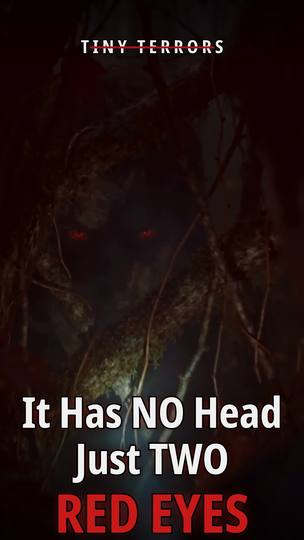
Here is the difference. A fictional monster lives inside the story. When the credits roll, your brain files it away with the rest of the invented things, and you sleep fine. A true story has no such boundary. The Mothman was reported by named witnesses on a named road outside Point Pleasant, West Virginia, on November 15, 1966. You can drive there. That is the whole trick, and it is not a trick at all.
The mind completes the circuit
Psychologists call it the reality bias: the brain treats real events as more threatening than imagined ones, even when the imagined one is scarier on paper. Tell someone a ghost story and they enjoy it. Tell them it happened in a hotel they have stayed in and the enjoyment curdles into something else. The facts do the haunting. The telling just points at them.
Documentation is the dread
This is why every Tiny Terrors episode is built on documented facts first and drama second. The Hinterkaifeck murders are police record. The lead masks of Vintem Hill are in Brazilian newspapers. The Greenbrier Ghost is in a West Virginia court transcript. You cannot argue with a coroner's report the way you can argue with a screenwriter. The story does not need your belief. It has paperwork.
Why we never invent
Invented horror is a sugar rush. It spikes and fades. True horror compounds, because every new detail you learn later makes the original story worse. Read about the Dyatlov Pass once and it is a mystery. Read the 1959 inquest, then the 2020 reinvestigation, and the tent slashed from the inside starts following you around. We tell true stories because they are the only ones that keep working after the video ends.
Tiny Terrors tells documented true stories only, dramatized for the telling. The Draugr is our fiction. The nightmares are not.